


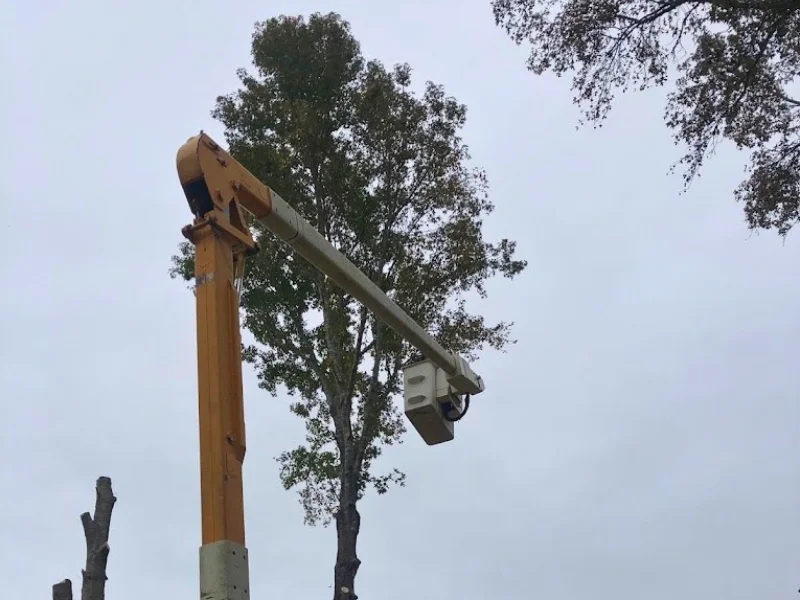
The best time to prune trees in Macon often depends on the kind of tree, why it needs pruning, and what is happening on the property. For many woody trees that are not grown for spring flowers, late winter before new growth begins is a useful general window. That is not a rule for every tree or every situation. The details still matter.
The answer changes when a tree blooms in spring, has storm damage, has dead or diseased limbs, or creates a safety concern. This guide explains the main timing rules for Macon and surrounding Central Georgia communities. It also covers the exceptions that matter and the questions to ask before any cuts are made.
The Short Answer: Late Winter Is Often the Best Time to Prune Trees in Macon
For many non-flowering woody trees, late winter is often the best time to prune before spring growth begins. In Georgia, University of Georgia Extension describes late February to early March as the dormant-season window for summer-flowering woody plants and plants not grown for flowers. ,
This timing can make the tree’s branch structure easier to see after leaves have dropped. It can also make crossing limbs, low-hanging branches, and dead wood easier to spot. You may see more clearly which parts of the tree no longer fit the space.
Late winter is a good planning window. It is not a command to cut every tree. A tree with a spring bloom cycle, a recent injury, or a limb that creates an urgent risk may need a different approach.
Why Dormant-Season Pruning Is Often Useful
Dormant-season pruning can make tree structure easier to assess because leaf cover is reduced. That can help identify limbs that cross, rub, hang too low, block access, or compete for space within the canopy.
The work should still begin with a clear purpose. University of Georgia Extension advises people to know why they are pruning and what changes they want to see before making a cut. A tree does not benefit from cutting simply because the calendar says it is winter.
Homeowners often call for help because branches are crowding a roofline, driveway, walkway, fence, or outdoor area. In those cases, the right timing also depends on the level of risk. It also depends on how much work is needed to restore useful clearance.
Dormant-season timing may also make it easier to plan work around the yard and property. Access and equipment placement matter. So do debris handling and the path of removed material near a home or other structure.
Spring-Flowering Trees Need a Different Schedule
Spring-flowering trees and shrubs should generally be pruned after they bloom if preserving the current season’s flowers is important. University of Georgia Extension lists dogwoods among the spring bloomers that form their flower buds in the fall, which means late-winter cutting can remove the buds before they open. ,
This is one of the key exceptions to the late-winter rule. The right timing for a flowering tree depends on the plant and the goal of the work. It also depends on whether there is a safety issue that cannot wait.
If a branch is dead, broken, rubbing, or creating a hazard, that concern may outweigh bloom timing. Safety comes first. The key is to separate routine appearance pruning from a problem that needs to be addressed sooner.
Do not guess based on a tree’s name alone. If you are unsure whether a tree flowers in spring or whether a cut would remove buds, take a photo of the tree during bloom, note the bloom time, and ask for a site-specific recommendation.
What About Summer-Flowering Trees and Shrubs?
Many summer-flowering woody plants are pruned in late winter while they are still dormant. UGA Extension notes that this typically falls in late February to early March, before new spring growth starts. ,
The reason for timing is different from the reason for cutting. Timing helps guide when the work may make sense, while the tree’s condition and the homeowner’s goal determine which branches should be removed.
Avoid treating every shrub or small tree the same way. Heavy cutting can lead to many new shoots. The plant may no longer have the shape, clearance, or flowering pattern you intended.
A better approach is to decide what you need the plant to do. You may need more room around a walk or a clearer driveway view. You may need fewer rubbing limbs or a smaller branch load near a building. That goal should guide the pruning plan.
Avoid Routine Heavy Pruning in Late Summer and Fall
Late summer and fall are usually poor times for routine major pruning in Georgia. UGA Extension warns that cuts during that period can lead to new growth that is more at risk from cold injury. ,
That guidance does not mean you must ignore a damaged tree until winter. A broken limb, a dead branch, or a branch that threatens a home, driveway, or active area should be assessed when it is discovered.
The key difference is between a planned seasonal job and an urgent property issue. Planned pruning can often wait for a better window. A hazard should be evaluated based on current risk.
This distinction helps prevent two common mistakes. One is cutting heavily because a tree looks overgrown at the end of summer. The other is waiting on a clearly dangerous limb. That limb may not be able to wait for the ideal month.
Dead, Diseased, and Damaged Limbs Can Need Attention at Any Time
Dead or diseased material may be removed at any time of year when it needs attention. UGA Extension makes this exception clear because the immediate condition of the branch can matter more than the season. ,
The same practical rule applies after storm damage. A broken or hanging limb, a new lean, or a branch resting on a structure should not be ignored just because the tree is not dormant.
Safety comes before timing when a limb could fall or a tree has changed after severe weather. A hazard needs a timely assessment. If a line is down or a tree is touching a power line, stay away and contact 911 or the utility provider before any tree work is considered.
If you are trying to understand the difference between a routine pruning issue and a removal concern, this overview of how a storm-damaged tree removal plan is assessed explains why tree condition, access, nearby structures, and debris handling all matter.
Choose a Pruning Goal Before Choosing a Date
The best time to prune trees is easier to identify once you know why you are pruning. Common goals include removing dead or broken limbs, improving clearance, reducing limb conflicts, maintaining a natural form, or making a property easier to use and maintain.
Each goal affects the scope of work. A few low branches over a driveway may need focused pruning. A mature tree with multiple concerns may need a broader look at the canopy, trunk, roots, access, and nearby structures.
Avoid asking only, “What month should I trim this tree?” A more useful question is, “What problem are we trying to solve, and can it wait?” That question leads to a better plan and avoids unnecessary cuts.
For example, reducing branches near a roof may call for careful, targeted work. Cutting large amounts from the top of a tree to make it look smaller can create a different set of problems and may not address the actual concern.
Know the Difference Between Pruning, Trimming, and Removal
Homeowners often use the words pruning and trimming to describe the same kind of work. In practical terms, both can involve managing overgrowth, clearance, dead limbs, and branches that are affecting the property.
The right approach depends on the tree and the goal. Focused pruning may address a small set of limbs, while removal may be the better path when a tree is dead, severely damaged, unstable, or no longer suitable for its location.
The work should be based on what is present at the property, not a label alone. A good assessment considers the tree’s condition and the limbs involved. It also considers nearby buildings, access areas, the work zone, and what will happen to removed material.
For a helpful overview of the kinds of work that may fit different property concerns, review the tree-service options for Central Georgia properties. The final scope should still be based on the actual tree and site conditions.
Do Not Make a Big Cut Without a Clear Reason
A well-timed cut can still be the wrong cut. Before removing a limb, know whether it is dead, broken, rubbing, blocking access, too close to a structure, or part of a specific plan for the tree’s form.
Avoid broad cutting just to make a tree look smaller. Removing too much live growth can change the tree’s shape and lead to more new shoots. It can also leave you with less shade and a tree that still does not solve the original problem.
University of Georgia Extension emphasizes clean, precise cuts and cautions against painting cuts with sealants or wound treatments. , Tools should be sharp and clean, but tool quality does not make risky work safe when the branch is high, heavy, damaged, or near a structure.
Do not climb a tree or work from a ladder near overhead limbs. That work carries added risk. A professional should assess high cuts, a difficult drop zone, a roof or power line, or a large limb under tension.
A Simple Seasonal Guide for Macon Property Owners
Late winter is often a strong planning period for many non-flowering woody trees and summer-flowering plants. This is commonly the time to review clearance issues, dead wood, rubbing limbs, and branches that will need attention before spring growth begins.
Spring is the usual time to consider routine work on trees and shrubs that bloom in spring, once the blooms have finished. If flower display matters to you, take note of when the plant blooms so that future pruning can be planned with that cycle in mind.
Summer calls for a careful approach. It may be the time to address a clear safety or access issue, but it is not a reason to make broad cuts without a specific goal and an assessment of the tree.
Fall is a time to watch for storm damage, broken limbs, new leans, and branches that affect property use. It is usually better to plan major routine pruning for a more suitable season. Move quickly on hazards that should not wait.
Questions to Ask Before Scheduling Tree Pruning
Start by looking at the tree from the ground and noting what you see. Is the concern a dead limb, low clearance, storm damage, branches near a roof, rubbing limbs, or a tree that may not be stable?
Next, identify whether the tree is a spring bloomer and whether preserving flowers matters. If you do not know, photos from the bloom season and a clear description of the issue can make a later assessment more useful.
Think about what else the work affects. A branch near a driveway, fence, pool, roof, utility area, or neighbor’s property may require more planning than a low branch in an open part of the yard.
Finally, write down the result you want. Better clearance, removal of dead wood, a more manageable outdoor area, or preparation for a larger project are all clear goals that can guide the recommendation.
Frequently Asked Questions About the Best Time to Prune Trees
What is the best month to prune trees in Macon?
For many non-flowering woody trees, late winter before new growth begins is a common pruning window. UGA Extension describes late February to early March as a useful dormant-season period for summer-flowering plants and plants not grown for flowers. Keene Tree Service helps property owners in Macon and surrounding Central Georgia communities assess the tree, its purpose, and the property conditions before work is planned. Spring-flowering trees, urgent hazards, and storm damage may require a different schedule.
Should I prune a dogwood tree in late winter?
Usually, a dogwood should be pruned after it blooms if you want to preserve that season’s flowers. UGA Extension identifies dogwoods as spring-flowering trees that form buds in the fall, so late-winter cuts can remove those buds. Keene Tree Service can help homeowners in Macon and surrounding Central Georgia communities look at timing, tree condition, clearance needs, and the goal of the work. Dead, broken, or hazardous limbs may still need attention sooner.
Can dead or broken branches be removed in summer?
Yes, a dead, diseased, broken, or hazardous branch may need attention at any time of year. The urgency depends on where the limb is, whether it is hanging, and whether it affects a home, driveway, walkway, or other active area. Keene Tree Service evaluates these concerns in Macon and surrounding Central Georgia communities by looking at the tree, the property, and the work zone. Do not climb, use a ladder, or cut a high or damaged limb yourself.
Is fall a good time for major tree pruning in Central Georgia?
Fall is not usually the preferred time for routine major pruning because late-season cuts can encourage new growth that is more exposed to cold injury. UGA Extension recommends avoiding routine late-summer and fall pruning for this reason. Keene Tree Service helps customers in Macon and surrounding Central Georgia communities separate routine maintenance from urgent limb or tree concerns. If a branch is damaged or unsafe, it should be assessed based on risk rather than the calendar.
How do I know whether my tree needs pruning or removal?
Pruning may fit trees with dead limbs, rubbing branches, reduced clearance, or overgrowth that can be managed safely. Removal may be a better option when a tree is dead, severely damaged, unstable, poorly located, or no longer appropriate for the property. Keene Tree Service helps homeowners in Macon and surrounding Central Georgia communities assess the tree’s condition, nearby structures, access, and cleanup needs. The right answer comes from the whole site, not from a single photo or a one-size-fits-all rule.
Need Help Planning Tree Pruning?
If you need a practical pruning plan for a tree near a home, driveway, outdoor area, or other property feature, Keene Tree Service can assess the conditions and explain the next step for Macon and surrounding Central Georgia communities. Call (478) 501-1746 for an urgent tree concern, or request a free tree-pruning estimate from Keene Tree Service for scheduled work. Our family-owned team provides clear communication, site-specific planning, and thorough cleanup for pruning, removal, and related tree-service projects.
References
[1] University of Georgia Cooperative Extension: Rules for Pruning