

Is stump grinding necessary after tree removal? No, not in every case. A stump can be left in place when it is stable, out of the way, and not interfering with how you use the property, but grinding is often the practical choice when the stump affects mowing, access, landscaping, safety, or future plans for the area.
The decision should be based on the stump’s location, its size, the surrounding yard, and what you want to do with the space next. This guide explains the tradeoffs and what stump grinding changes. It also explains what grinding does not do and how homeowners in Macon and surrounding Central Georgia communities can choose a sensible next step.
The Short Answer: Stump Grinding Is Optional, but Often Useful
Stump grinding is not required after every tree removal. Some property owners choose to leave a stump in a low-traffic part of the property when it is stable and does not affect mowing, access, or a planned project.
Grinding is often useful when the stump is a trip point, blocks a mower, takes up wanted yard space, sits near a driveway or walkway, or prevents landscaping work. It can also make sense when the stump is part of a larger cleanup or property-improvement plan.
The question is less about whether a stump must be removed and more about what the stump is doing to the property. Start with daily use. If it keeps getting in the way, limits how you use the area, or creates a problem you will have to work around for years, grinding may be worth considering.
There is no single answer for every yard. Location makes the difference. A stump in a wooded corner may be fine to leave, while the same stump beside a driveway, play area, patio, or garden bed may be an ongoing nuisance.
What Stump Grinding Does After Tree Removal
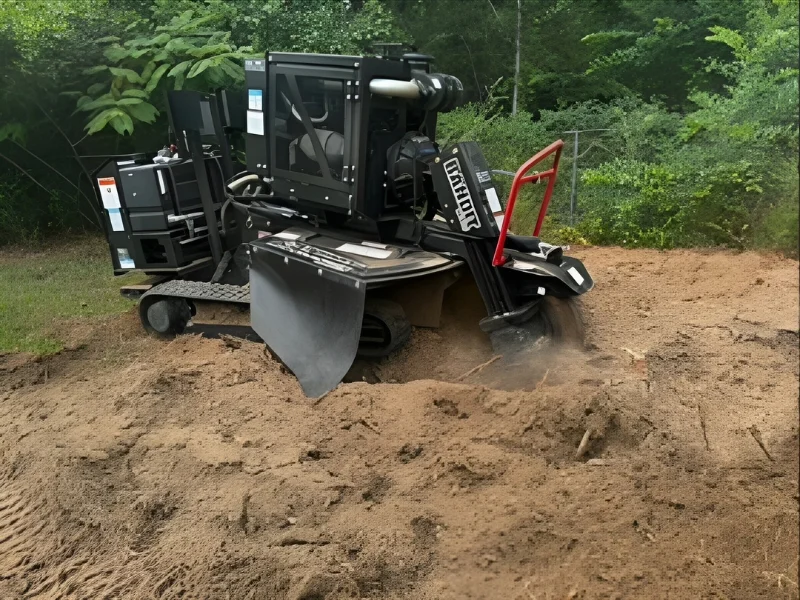
Stump grinding uses a specialized machine to break down the visible stump below ground level. Iowa State University Extension describes professional grinding as a quick and safe option that commonly removes the stump and major lateral roots about 8 to 12 inches below grade. ,
The exact depth and result can vary by the stump, site conditions, equipment access, and the plan for the area. Every site is different. Grinding does not mean every root is pulled from the ground, and it does not turn the area into a finished lawn or planting bed by itself.
What grinding does provide is a way to remove the obvious obstacle. The area can then be prepared for grass or a landscape bed. It may also be prepared for another use of the yard or a later project.
Before choosing a method, think about the surrounding features. A stump near a fence, walkway, irrigation line, landscaping, driveway, or utility area may need a more careful site review than a stump in open lawn.
When Leaving a Tree Stump May Be Reasonable
Leaving a stump may be reasonable when it is stable, isolated, and not in the way. For example, a stump in a wooded edge of a large property may not affect daily use, mowing, or future plans.
Some property owners also choose to let a stump decay naturally. That path can be simple, but it requires patience. Iowa State Extension notes that natural stump decay can take 10 years or more, depending on soil moisture, wood-decay fungi, tree species, and other conditions. ,
A stump that is left in place should still be checked over time. Decay can change its stability. A stump that once felt harmless may later interfere with mowing, landscaping, foot traffic, or access.
Leaving a stump does not mean you have made a poor choice. It simply means the stump does not currently create a problem that is worth solving with grinding or another removal method.
When Stump Grinding Is Usually Worth Considering
Stump grinding is often worth considering when the stump creates a real obstacle. Common examples include stumps in a lawn, near a driveway, along a walkway, beside an outdoor space, or in an area planned for landscaping or a future project.
It can also help when a property owner is tired of steering around the stump every time they mow or maintain the yard. Small daily annoyances add up, especially when the stump is in a part of the property used often.
A freshly removed tree may leave a stump in the middle of a larger project. The stump may affect the next step. If the goal is to create open space, improve access, or prepare an area for a different use, grinding can help complete that phase.
The decision is more straightforward when the stump is a tripping concern or affects safe access. It is a daily obstacle. In those cases, the cost of continuing to work around it may outweigh the benefit of leaving it in place.
What Happens to Roots After Stump Grinding?
Most roots stay in the ground after stump grinding. The visible stump is addressed, but the root system is not normally excavated across the yard.
Over time, remaining roots break down naturally. This can take time. It may affect how you plan to dig, install a feature, or plant in the old tree location.
If you plan to build, install hardscape, run utilities, or plant another large tree in the same spot, explain that plan before any stump work begins. The depth of grinding, the amount of root material, and the soil work needed afterward may matter more for those projects.
Do not assume an old stump site is ready for every use as soon as grinding is done. Plan before the work begins. The best next step depends on the area, the type of planting or construction you have in mind, and how the site is prepared afterward.
Plan for the Grindings and the Ground Afterward
Stump grinding leaves wood material behind. Iowa State Extension notes that a large pile of wood shavings can remain in the hole and that those shavings can change soil conditions enough to make new turf or plants harder to establish unless the site is prepared. ,
That does not make the material a problem by itself. It means you should decide what you want to happen next. You may remove some material, add topsoil, let the ground settle, or use the area in another way.
Ask what the work scope includes. Ask how the work area will be left. You may want to know whether the grindings will stay, whether topsoil is part of the plan, and what preparation is needed before seed, sod, or planting.
The answer can change with the location. A back-corner stump may need only a safe, tidy finish. A stump in the center of a lawn or future planting bed may call for more follow-up work.
Stump Grinding, Full Removal, and Natural Decay Are Different Options
Stump grinding, full stump removal, and natural decay solve different problems. Grinding addresses the visible stump with less broad digging than a full root excavation, while natural decay leaves the stump to break down over a longer period.
Full removal may be considered when a project needs the stump and roots excavated, but it can involve more digging and a larger disruption to the surrounding area. It is not automatically better just because it is more extensive.
Natural decay may work when the stump is isolated and time is not a concern. It is usually less practical when the stump is in a high-use part of the yard or delays a planned use of the space.
Choosing among these options starts with the property goal. Start with how you use the space. Then think about safety, access, yard conditions, the next use of the area, and how much disruption you are willing to accept.
Stump Grinding Can Be Part of a Larger Property Plan
A stump is sometimes the last visible piece of a tree-removal project. Other times, it is only one part of a larger plan that includes clearing brush, removing additional trees, improving access, or preparing a space for a different use.
The most useful estimate considers the broader plan. A crew may need to account for the tree removal, stump location, access, nearby landscape features, debris handling, and the desired finish for the area.
If the tree itself is still standing, start by understanding the tree removal process for your property. That helps you plan the project in the right order instead of treating the stump as a separate problem before the tree work is defined.
If the area includes several stumps, unwanted trees, or dense brush, the project may need more than one service. The right scope depends on the size of the area and access. It also depends on the property goal and the amount of material that needs to be handled.
How to Decide What to Do With a Leftover Tree Stump
Start with location. Is the stump near a driveway, walkway, patio, mower path, garden bed, fence, or active outdoor area? The closer it is to a place people use, the more likely it is to be a practical obstacle.
Next, think about the future. Do you want grass, a garden, a play area, open space, a new tree, or a construction project where the stump sits? Your intended use is often the best guide to whether grinding is worth the work.
Then consider access and cleanup. Tight access needs more planning. A stump close to features you want to protect or surrounded by landscaping may need extra care before equipment arrives.
If you need a clearer view of services that may fit a larger property project, see the tree-service options for Central Georgia properties. The right choice should be based on your site and your next step, not on a standard package.
Questions to Ask Before Scheduling Stump Grinding
Ask how the stump location and access affect the work plan. Let the provider know about fences, gates, irrigation, utilities, driveways, landscaping, outdoor features, and any concern that may change equipment access.
Ask what the completed area will look like. You should understand whether the wood material will remain, what cleanup is included, and whether you will need to add topsoil, seed, sod, or other finishing work afterward.
Ask how the work connects to your wider project. If you are removing a tree, clearing brush, planning landscaping, or changing the use of the space, a combined plan may make more sense than treating each step in isolation.
Finally, do not promise the space to a new project before the site has been assessed. The site should guide the plan. The stump, roots, ground conditions, and access can all affect what is practical after grinding.
Frequently Asked Questions About Stump Grinding After Tree Removal
Do I have to grind a stump after a tree is removed?
No, stump grinding is optional when the stump is stable, isolated, and not affecting how you use the property. Many owners choose grinding when the stump complicates mowing, creates a trip point, blocks a landscape plan, or gets in the way of a future project. Keene Tree Service helps homeowners in Macon and surrounding Central Georgia communities assess the stump, access, and intended use of the area. The best choice depends on the property goal, not on a rule that every stump must be ground.
Will stump grinding remove the whole root system?
No, stump grinding addresses the visible stump but does not normally excavate every root across the yard. Remaining roots break down over time, which can matter if you plan to build, install hardscape, run utilities, or plant another large tree in the same spot. Keene Tree Service evaluates stump-grinding projects in Macon and surrounding Central Georgia communities based on the stump location, access, and what you want to do with the area next. Share your future plans during the assessment so the work scope fits the site.
Can I plant grass after stump grinding?
You may be able to establish grass after the site is prepared, but grinding alone does not create a finished lawn. Wood shavings can remain in the hole, and the area may need material removed, topsoil added, or time to settle before seed or sod is installed. Keene Tree Service can discuss the expected result for properties in Macon and surrounding Central Georgia communities and explain the scope of stump work. Your final lawn plan should account for the ground conditions and desired finish.
Is it better to grind a stump or let it decay?
The best option depends on the stump location and how you use the property. Natural decay can be reasonable for a stable, isolated stump, but it can take many years and does not solve a stump that affects mowing, access, or landscaping. Keene Tree Service helps property owners in Macon and surrounding Central Georgia communities compare the practical options based on the stump, the yard, and future plans. Grinding may be the better choice when you need the visible obstacle addressed sooner.
Can stump grinding be done near a fence or landscaping?
Many locations can be assessed, but the work plan depends on the stump, access, nearby features, and the area you want to protect. Fences, garden beds, driveways, walkways, irrigation, and tight gates should all be discussed before work begins. Keene Tree Service evaluates stump-grinding conditions in Macon and surrounding Central Georgia communities to determine the practical approach for the site. A clear description and photos from a safe distance can help begin that conversation.
Need Help Planning a Stump Grinding Project?
If a leftover tree stump is blocking your next step, Keene Tree Service can assess the stump, access, and property goals for Macon and surrounding Central Georgia communities. Request a free stump-grinding estimate from Keene Tree Service to get a clear work plan for scheduled service. Our family-owned team provides site-specific planning, professional equipment, and thorough cleanup for individual stumps and larger property projects.
References
[1] Iowa State University Extension and Outreach: How to Remove Tree Stumps